

Why Your Home Feels Humid Even When the AC Is Running in Sparta, NC
As summer settles into the mountains of North Carolina, many homeowners in Sparta begin noticing something frustrating: their home feels damp or sticky, even though the air conditioner is running. Most people assume their AC's only job is to cool the air, but it also plays an important role in controlling indoor humidity. When humidity levels rise, your home can feel uncomfortable, your energy bills can increase, and your HVAC system may have to work harder than necessary. At Billings Heating & Cooling, we often receive calls during June and July from homeowners who say, "My house is cool, but it doesn't feel comfortable." In many cases, excess humidity is the culprit.
Why Humidity Matters
Humidity refers to the amount of moisture in the air. During summer, warm outdoor air naturally holds more moisture. When that humid air finds its way inside your home, it can create several problems:
- Rooms feel warmer than the thermostat setting
- The air feels sticky or clammy
- Musty odors become more noticeable
- Energy costs increase
- Mold and mildew growth become more likely
Even if your thermostat reads 72 degrees, high humidity can make your home feel much warmer.
Signs Your Home May Have a Humidity Problem
Many homeowners don't realize they're dealing with excess moisture until the symptoms become obvious. Watch for these common warning signs:
- Condensation on Windows
If you notice moisture forming on the inside of your windows, humidity levels may be too high.
- Musty Smells
Persistent damp or musty odors often indicate excess moisture somewhere in the home.
- Sticky Indoor Air
Your home should feel comfortable when the AC is running. If it feels muggy indoors, humidity may be the issue.
- Higher Utility Bills
When humidity is high, homeowners often lower the thermostat further to feel comfortable, causing the system to run longer and use more energy.
Why Your Air Conditioner May Not Be Removing Enough Humidity
Several HVAC issues can reduce your system's ability to control moisture.
- Dirty Air Filters
Restricted airflow can affect how efficiently your system removes humidity. A simple filter replacement can often improve performance.
- Oversized HVAC Equipment
Bigger isn't always better. An oversized air conditioner may cool the home quickly but shut off before it has enough time to remove moisture from the air.
- Lack of Maintenance
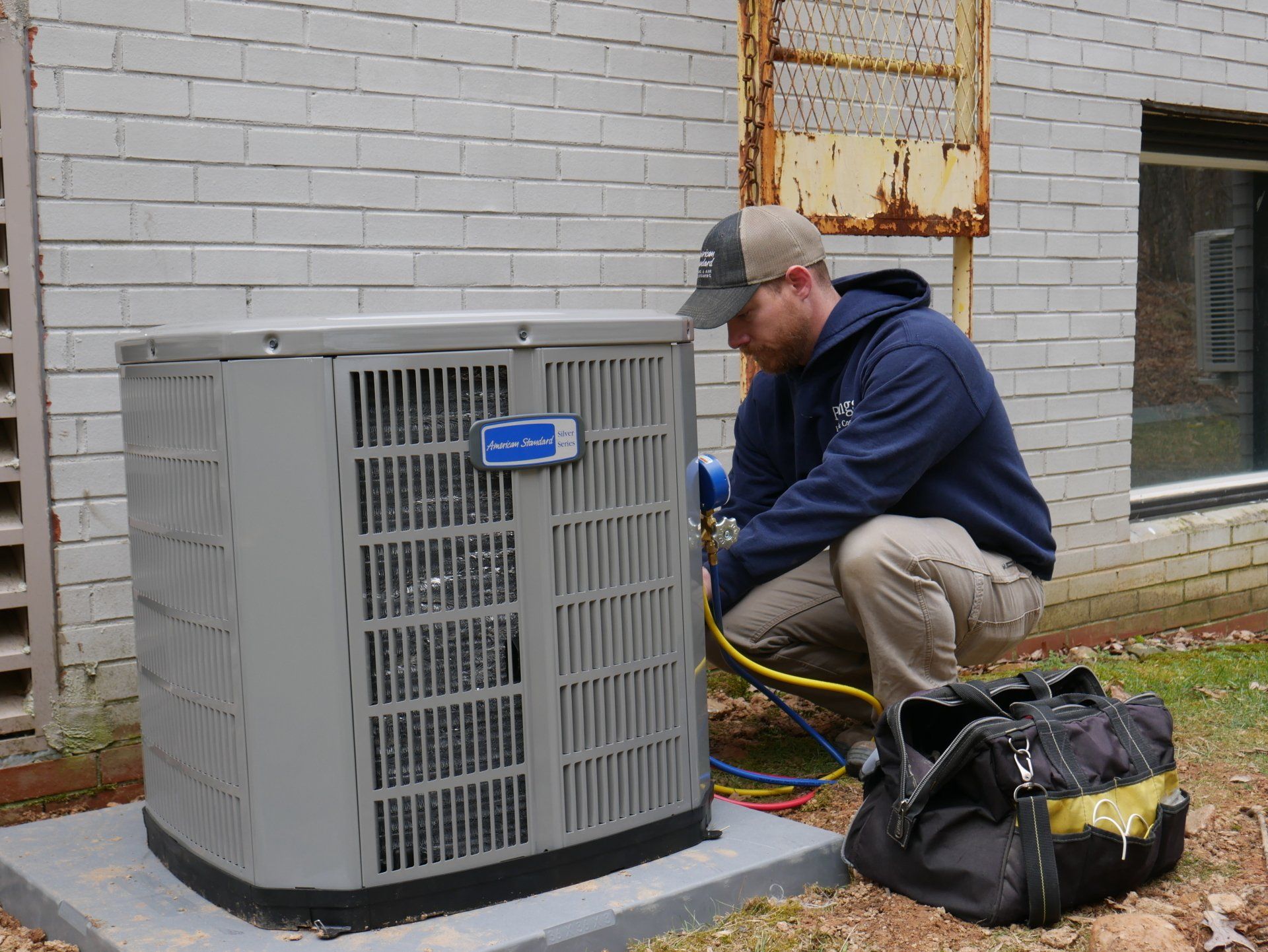
Dirty coils, clogged drain lines, and worn components can all reduce your system's ability to manage humidity effectively.
- Air Leaks Around the Home
Gaps around doors, windows, crawl spaces, and attic areas can allow humid outdoor air to continuously enter your home.
Simple Ways to Improve Indoor Comfort This Summer
Fortunately, there are several steps homeowners can take to reduce indoor humidity:
- Replace air filters regularly
- Keep doors and windows closed while the AC is running
- Use bathroom and kitchen exhaust fans when needed
- Schedule professional HVAC maintenance
- Address air leaks around the home
- Consider adding a whole-home dehumidification solution if humidity remains a problem
Don't Ignore Excess Humidity
Many homeowners assume sticky indoor air is simply part of summer living in the mountains. However, excessive humidity can impact your comfort, indoor air quality, and HVAC efficiency. If your home feels damp or uncomfortable even though your air conditioner is running, it may be time for a professional inspection. At Billings Heating & Cooling, we help homeowners throughout Sparta and Alleghany County stay comfortable all summer long with expert HVAC maintenance, repairs, and system evaluations.
Give us a call today to schedule service and find out if humidity—not temperature—is what's affecting your home's comfort. Check out our air conditioning service page to learn more about how we can keep your Sparta, NC home cool and comfortable all summer long.