

Prepare For the Fall & Winter Weather Now
October 17, 2019

There is no doubt that fall is here in Sparta, North Carolina. It feels like yesterday that we were cranking up our AC units to keep cool in the summer heat and now we need a jacket to walk outside. With the cold weather now and fall only being less than a month in, we can’t imagine what the winter here will feel like. With that being said, we want to make sure that you are prepared for the colder weather when it arrives. Below, the team at Billings Heating & Cooling has put together our top four tips in preparing for the fall and winter weather before it’s too late.
Insulation
Without proper insulation inside of your home, the work that your HVAC system does won’t matter. The job of your insulation is to keep the air inside of your home inside and to keep the outside air outside. Do you and your heating and cooling system a favor – walk around your home to check for any leaks in your insulation. If you notice some areas of the home feel cooler than others, it could be an insulation issue. Make sure you have a professional come out to help properly seal your insulation before it’s too late.
Examine & Clean Your Unit
Cleaning your outdoor unit is very important in any season but especially more so in the fall. Debris and pollen are more prevalent in the summer so it’s even more important that you clean your outdoor unit now. Make sure that no plants or yard décor have blocked your unit either – this could hinder the airflow of your HVAC system which would require your system to work harder than it has to this winter to keep you warm.
Update Your Thermostat
If you use a programmable thermostat and haven’t changed your settings yet, now is the perfect time. You don’t want to have your system programmed the way you had it programmed in the summer when it’s much cooler out now. Be sure to adjust your thermostat settings to match your schedule and the current outside weather.
Clean Your Vents & Change Filters
Cleaning your air vents and changing out your air filters can make the world of difference in the efficiency of your HVAC system. A clogged air filter or vent hinders the air flow throughout your home. This means your system has to work in overtime to produce the proper amount of air flow. Changing out your air filters should happen every three months so if you haven’t changed yours since the beginning of summer, now is the time.
Fall in Sparta, NC can be one of the nicest times of the year, but it can also make figuring out your thermostat a little tricky. You may wake up to a chilly mountain morning, enjoy a warm afternoon, and then need an extra blanket again by bedtime. During these in-between weeks, it’s completely normal for your home to need cooling one day and heat the next. Knowing how to manage your HVAC system during changing fall temperatures can help keep your home comfortable without wasting energy. Is It Okay to Switch Between Heat and AC? Yes! Modern HVAC systems are designed to switch between heating and cooling as needed. If you need the heat in the morning and air conditioning later in the day, you aren't hurting your system simply by changing modes. However, avoid switching immediately from heating to cooling or vice versa while the system is actively running. Give the system a few minutes to complete its cycle before changing modes. If you have a programmable or smart thermostat with an automatic changeover setting, it may be able to handle these temperature swings for you. Take Advantage of Cooler Fall Air Early fall often gives Sparta homeowners a break from the summer heat. When outdoor temperatures are comfortable, you may be able to turn your HVAC system off for part of the day and open the windows instead. Just keep outdoor humidity and pollen in mind. If the air outside is especially humid or seasonal allergies are an issue in your household, keeping the windows closed and allowing your HVAC system to manage the indoor environment may be the better option. Don't Make Big Thermostat Adjustments When you wake up to a cold house, it can be tempting to turn the thermostat way up to warm things up faster. Unfortunately, setting your thermostat significantly higher doesn't necessarily heat your home faster—it can simply cause the system to run longer. Instead, choose a comfortable temperature and allow your system time to reach it. The same applies on an unexpectedly warm fall afternoon. Setting the AC extremely low won't cool your home faster and can result in unnecessary energy use. Pay Attention the First Few Times You Use Your Heat September and early fall are also a good opportunity to pay attention to how your heating system behaves before colder weather settles into the mountains. When you turn your heat on, watch for signs that something may need attention, including: Unusual noises when the system starts Weak airflow from the vents Rooms that aren't warming evenly A system that turns on and off frequently Unusual or persistent odors A thermostat that doesn't seem to match the temperature in your home A slight dusty smell can sometimes occur the first time the heat runs after sitting unused through the summer. However, a strong burning, electrical, or persistent unusual odor shouldn't be ignored. Don't Forget About Your Air Filter Even though your HVAC system may be running less during mild fall weather, your air filter is still important. After a long summer of air conditioning, check the filter before heating season gets underway. A dirty filter can restrict airflow and make your system work harder, whether you're using the AC or the heat. It's an easy step that can make a noticeable difference in your system's performance. Enjoy Fall in Sparta Without Worrying About Your HVAC System Cool mornings and warm afternoons are simply part of fall in the North Carolina mountains. Your HVAC system should be able to keep up with those changing temperatures without making you constantly worry about the thermostat. If you notice unusual noises, inconsistent temperatures, weak airflow, or another issue when you turn your heat on for the first time this season, don't wait until the first truly cold night to have it checked. Billings Heating & Cooling provides professional heating and cooling service throughout Sparta, NC and the surrounding area. Whether your system needs a repair , seasonal service, or you simply want to make sure it's ready for colder weather, our team is here to help. Give Billings Heating & Cooling a call at 336-372-4790 to schedule service and make sure your home is ready for the changing temperatures ahead.
August in Sparta, NC can put your air conditioning system to the test. Between warm afternoons, high humidity, and passing summer storms, you may notice your AC running longer or cycling on more frequently than it did earlier in the season. That doesn’t always mean something is wrong. Your air conditioner naturally has to work harder during hot and humid weather. However, there’s a difference between an AC system keeping up with summer conditions and one that is struggling. Here are a few things Sparta homeowners should watch for during the final stretch of summer. Longer Run Times Can Be Normal On a mild day, your air conditioner may cool your home fairly quickly and then shut off for a while. During hotter August weather, longer cooling cycles are common. Your AC isn’t just lowering the temperature inside your home. It’s also removing moisture from the indoor air. When outdoor humidity is high, that can mean longer run times as your system works to keep your home both cool and comfortable. If your home is reaching the temperature set on your thermostat and feels comfortable, longer cycles during the hottest part of the day aren't necessarily cause for concern. When Constant Running Could Signal a Problem There is a point where extended run times deserve a closer look. If your AC seems to run almost continuously but your home still feels too warm, there could be an issue affecting its performance. Some warning signs include: Your home never reaches the thermostat setting Certain rooms are noticeably warmer than others Air coming from the vents feels weak Your home feels unusually humid or sticky Your energy bill suddenly increases The system frequently turns on and off in short cycles You hear new or unusual noises from the indoor or outdoor unit These symptoms can have several causes, including restricted airflow, dirty coils, thermostat problems, ductwork issues, low refrigerant, or equipment that is beginning to struggle. Don't Make Your AC Work Harder Than It Has To A few simple habits can make a noticeable difference during late-summer heat. Keep your air filter clean. A clogged filter restricts airflow and forces your system to work harder to move cool air throughout your home. Check your filter regularly, especially when your AC is running frequently. Keep vents and returns open. Closing vents in unused rooms may seem like a way to save energy, but it can interfere with the airflow your HVAC system was designed to maintain. Make sure supply vents and return grilles aren't blocked by furniture, rugs, or other items. Use your thermostat wisely. Constantly making large thermostat adjustments won't cool your home faster. Choose a comfortable setting and give your system time to do its job. Keep heat outside when possible. Closing blinds or curtains during the sunniest parts of the day can reduce the amount of heat entering your home and help take some of the load off your AC. Give the outdoor unit room to breathe. Grass, weeds, leaves, and other debris around the outdoor unit can restrict airflow. Keep the surrounding area clear so the system can release heat properly. Summer Storms Can Affect Your HVAC System, Too Afternoon thunderstorms are nothing unusual during a North Carolina summer, but they can sometimes create HVAC problems. Power interruptions and surges may cause your system to shut down or behave differently after a storm. Heavy rain and wind can also send leaves, branches, and other debris toward the outdoor unit. After a strong storm, take a quick look at the area around your outdoor equipment. If your AC isn't operating normally after a power outage or storm, avoid repeatedly resetting breakers or attempting electrical repairs yourself. It's safer to have the system inspected. Pay Attention to Humidity Inside Your Home Temperature isn't the only thing that determines whether your home feels comfortable. Your air conditioner helps remove humidity as it cools, so a home that suddenly feels muggy even though the thermostat shows a normal temperature can be an early sign that something isn't working as efficiently as it should. Excess indoor humidity can also make you feel warmer, which may tempt you to keep lowering the thermostat and cause your AC to run even more. If your system is cooling but your home still feels uncomfortable, humidity may be part of the problem. Don't Ignore Small Problems at the End of Summer By August, your air conditioner has already put in months of work. Small issues that weren't noticeable in May or June can become much more obvious after weeks of summer use. A system that takes longer to cool the house, produces weaker airflow, makes unusual sounds, or causes an unexpected jump in your electric bill may be telling you it needs attention. Catching a problem early can help prevent a minor repair from becoming a complete AC breakdown on a hot afternoon. Keep Your Sparta Home Comfortable Through the Rest of Summer There's still plenty of cooling season left in the North Carolina mountains. If your air conditioner seems to be working harder than usual, isn't keeping your home comfortable, or simply doesn't seem to be operating the way it should, Billings Heating & Cooling can help. Our team serves homeowners throughout Sparta and the surrounding area with professional air conditioning repair , maintenance, and installation services. Not sure if your AC's long run times are normal? Give Billings Heating & Cooling a call at 336-372-4790 . We'll help you find the cause and make sure your system is ready to keep you comfortable through the rest of summer.
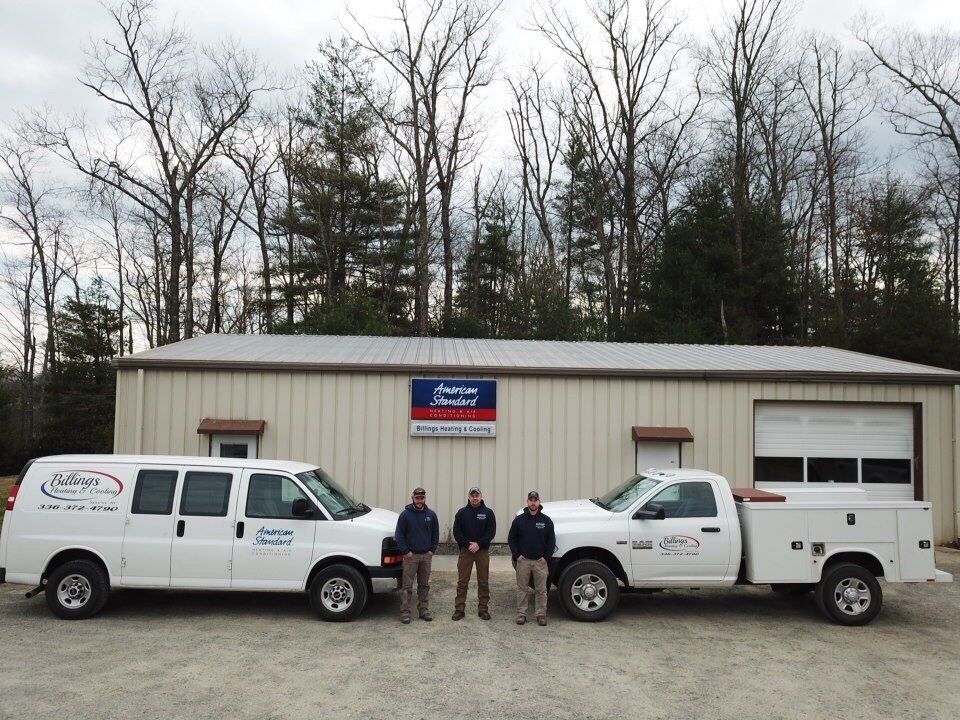
Summer is one of the busiest travel seasons, and many families in Sparta, NC, are packing their bags for a long weekend at the beach, a mountain getaway, or a family reunion. Before you lock the door and head out, it's worth taking a few minutes to prepare your home's HVAC system. Many homeowners wonder if they should turn the air conditioner off completely while they're away. The answer is usually no. A few simple adjustments can help lower your energy bills while protecting your home from excessive heat and humidity. Raise the Thermostat—Don't Turn It Off If you'll be gone for several days, increase your thermostat setting to around 78-85 degrees instead of shutting your system down entirely. Allowing your home to become extremely hot can create several problems: Excess humidity can build up indoors. Wood flooring and furniture may expand or warp. Electronics and appliances are exposed to unnecessary heat. Your air conditioner has to work much harder to cool the home when you return. Keeping your system running at a higher temperature helps maintain a healthier indoor environment while reducing energy usage. Replace the Air Filter Before You Leave If your air filter is already dirty, your HVAC system will have to work harder while you're away. Installing a clean filter before your trip helps: Improve airflow Increase cooling efficiency Reduce unnecessary wear on your equipment Maintain better indoor air quality It's one of the quickest maintenance tasks you can complete before leaving home. Close Curtains and Blinds Sunlight pouring through windows can dramatically increase indoor temperatures during the hottest part of the day. Closing blinds or curtains before leaving helps reduce solar heat gain and makes it easier for your air conditioner to maintain your chosen temperature. Consider Using a Smart Thermostat If your home has a smart thermostat, you can adjust the temperature remotely if your travel plans change. For example, you can begin cooling your home a few hours before arriving back in Sparta, so you walk into a comfortable house instead of waiting for it to cool down. Smart thermostats can also help monitor unusual temperature changes that may indicate an HVAC issue while you're away. Don't Forget Your Outdoor Unit Before heading out, take a quick walk around your outdoor condenser. Make sure: Grass isn't blocking airflow. Leaves or debris haven't collected around the unit. Shrubs are trimmed back to allow plenty of ventilation. Proper airflow helps your system operate more efficiently during the hottest weeks of summer. Schedule Maintenance Before Peak Cooling Season Ends Late summer is still one of the busiest times of year for HVAC systems in Alleghany County. If your air conditioner has been running constantly or you've noticed unusual noises, weak airflow, or inconsistent cooling, it's a good idea to schedule service before small issues become larger repairs. Routine maintenance can improve efficiency, extend equipment life, and help reduce the chance of an unexpected breakdown during the remainder of the cooling season. Trust Billings Heating & Cooling for Reliable Comfort Whether you're staying home this summer or heading out on vacation, your HVAC system should continue protecting your home's comfort while you're away. If your air conditioner isn't keeping up or it's due for maintenance, the experienced team at Billings Heating & Cooling is here to help. We proudly serve homeowners throughout Sparta, NC, and the surrounding communities with dependable HVAC maintenance , repairs, and system replacements. Contact us today to schedule your service and enjoy peace of mind for the rest of the summer.
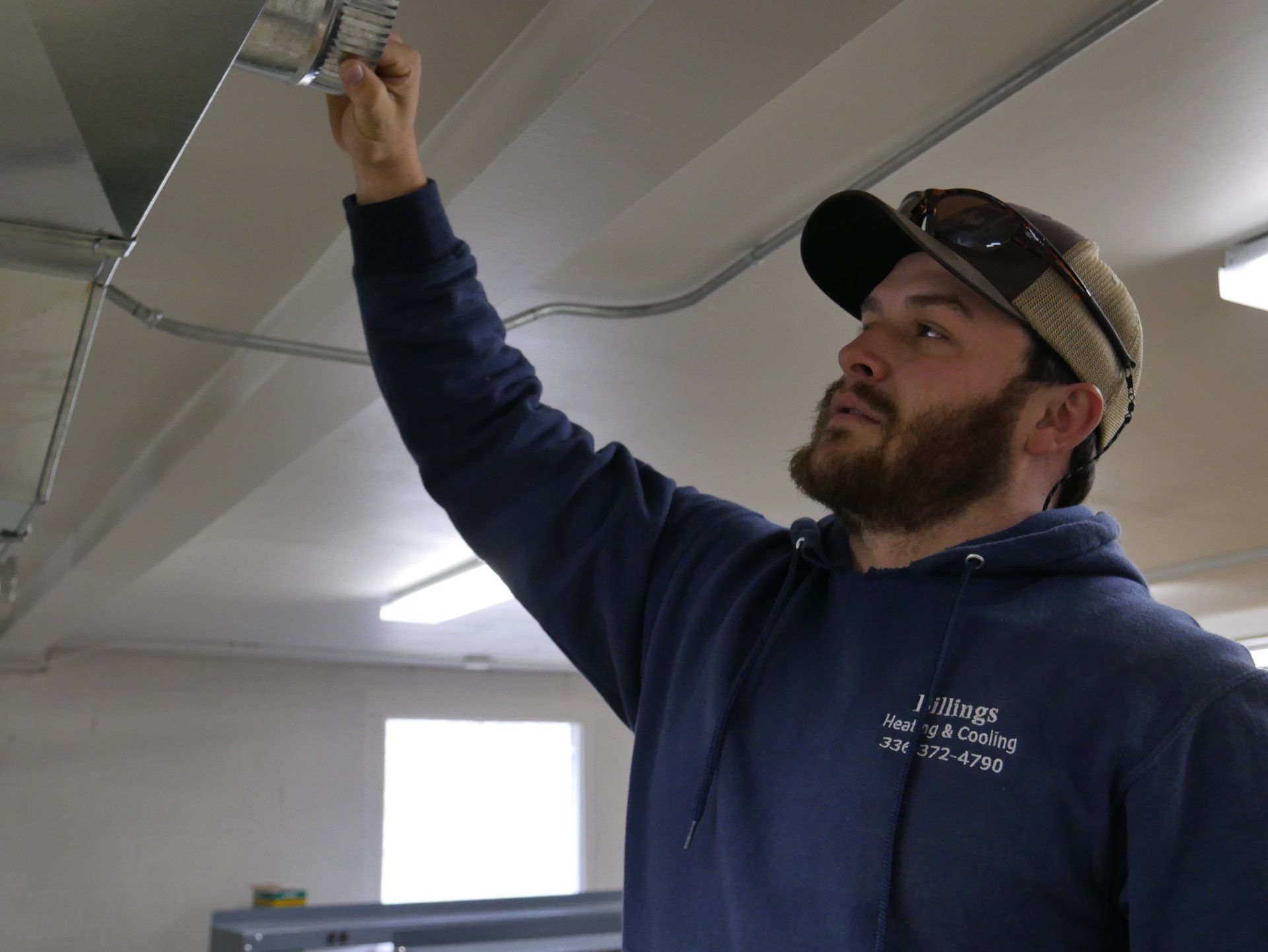
As summer settles into the mountains of North Carolina, many homeowners in Sparta begin noticing something frustrating: their home feels damp or sticky, even though the air conditioner is running. Most people assume their AC's only job is to cool the air, but it also plays an important role in controlling indoor humidity. When humidity levels rise, your home can feel uncomfortable, your energy bills can increase, and your HVAC system may have to work harder than necessary. At Billings Heating & Cooling, we often receive calls during June and July from homeowners who say, "My house is cool, but it doesn't feel comfortable." In many cases, excess humidity is the culprit. Why Humidity Matters Humidity refers to the amount of moisture in the air. During summer, warm outdoor air naturally holds more moisture. When that humid air finds its way inside your home, it can create several problems: Rooms feel warmer than the thermostat setting The air feels sticky or clammy Musty odors become more noticeable Energy costs increase Mold and mildew growth become more likely Even if your thermostat reads 72 degrees, high humidity can make your home feel much warmer. Signs Your Home May Have a Humidity Problem Many homeowners don't realize they're dealing with excess moisture until the symptoms become obvious. Watch for these common warning signs: Condensation on Windows If you notice moisture forming on the inside of your windows, humidity levels may be too high. Musty Smells Persistent damp or musty odors often indicate excess moisture somewhere in the home. Sticky Indoor Air Your home should feel comfortable when the AC is running. If it feels muggy indoors, humidity may be the issue. Higher Utility Bills When humidity is high, homeowners often lower the thermostat further to feel comfortable, causing the system to run longer and use more energy. Why Your Air Conditioner May Not Be Removing Enough Humidity Several HVAC issues can reduce your system's ability to control moisture. Dirty Air Filters Restricted airflow can affect how efficiently your system removes humidity. A simple filter replacement can often improve performance. Oversized HVAC Equipment Bigger isn't always better. An oversized air conditioner may cool the home quickly but shut off before it has enough time to remove moisture from the air. Lack of Maintenance Dirty coils, clogged drain lines, and worn components can all reduce your system's ability to manage humidity effectively. Air Leaks Around the Home Gaps around doors, windows, crawl spaces, and attic areas can allow humid outdoor air to continuously enter your home. Simple Ways to Improve Indoor Comfort This Summer Fortunately, there are several steps homeowners can take to reduce indoor humidity: Replace air filters regularly Keep doors and windows closed while the AC is running Use bathroom and kitchen exhaust fans when needed Schedule professional HVAC maintenance Address air leaks around the home Consider adding a whole-home dehumidification solution if humidity remains a problem Don't Ignore Excess Humidity Many homeowners assume sticky indoor air is simply part of summer living in the mountains. However, excessive humidity can impact your comfort, indoor air quality, and HVAC efficiency. If your home feels damp or uncomfortable even though your air conditioner is running, it may be time for a professional inspection. At Billings Heating & Cooling, we help homeowners throughout Sparta and Alleghany County stay comfortable all summer long with expert HVAC maintenance, repairs, and system evaluations. Give us a call today to schedule service and find out if humidity—not temperature—is what's affecting your home's comfort. Check out our air conditioning service page to learn more about how we can keep your Sparta, NC home cool and comfortable all summer long.

As temperatures start climbing across Sparta and the surrounding High Country, many homeowners begin noticing the same frustrating problem every year: the upstairs rooms suddenly feel much warmer than the rest of the house. Even if your HVAC system seems to be running normally, uneven temperatures are extremely common during late spring and early summer in North Carolina. At Billings Heating & Cooling, we often get calls this time of year from homeowners wondering why one part of their home feels comfortable while another feels stuffy and hard to cool. The good news is that uneven cooling doesn’t always mean you need a new HVAC system. In many cases, there are simple issues that can be corrected before the real summer heat arrives. Why Upstairs Rooms Heat Up Faster Heat naturally rises, which means second floors and upper-level rooms tend to trap warm air throughout the day. As outdoor temperatures increase and the sun stays out longer, attics and upper floors absorb additional heat — especially during sunny afternoons. Several factors can make the problem even worse: Poor attic insulation Airflow restrictions Closed or blocked vents Dirty air filters Leaky ductwork Older thermostats An HVAC system that’s struggling to keep up In mountain areas like Sparta, temperature swings between cool mornings and warm afternoons can also cause your system to cycle more frequently, making uneven cooling more noticeable. Signs Your HVAC System May Need Attention Some uneven cooling is normal, but certain warning signs could indicate your system needs professional service. Watch for: Hot or stuffy upstairs bedrooms Weak airflow from vents Rooms that never seem to reach the thermostat setting HVAC systems running constantly during the afternoon Higher-than-normal energy bills Excess indoor humidity If you notice any of these issues now, it’s best to address them before peak summer temperatures arrive. Simple Ways to Improve Cooling Throughout Your Home There are several easy steps homeowners can take to help improve comfort and airflow during the early summer months Replace Your Air Filter A dirty filter restricts airflow and forces your HVAC system to work harder. Replacing your filter regularly helps improve circulation and efficiency throughout the home. Keep Vents Open and Clear Furniture, rugs, and curtains can accidentally block vents and reduce airflow to certain rooms. Make sure vents are fully open and unobstructed. Use Ceiling Fans Correctly During summer, ceiling fans should rotate counterclockwise to push cool air downward. This can help rooms feel cooler without lowering the thermostat. Check Your Thermostat Settings Avoid drastic thermostat adjustments throughout the day. Consistent settings help your system cool more efficiently and maintain balanced temperatures. Schedule Preventive HVAC Maintenance Routine maintenance helps ensure your system is operating properly before the hottest part of summer arrives. A professional inspection can identify airflow problems, refrigerant issues, worn components, or duct leaks that may be affecting comfort. Don’t Ignore Humidity In Sparta and surrounding areas, humidity levels begin rising as summer approaches. Even when temperatures aren’t extremely high, excess indoor moisture can make your home feel warmer and less comfortable. Your air conditioning system plays a major role in removing humidity from the air. If your home feels sticky or damp indoors, your system may not be dehumidifying properly. Stay Comfortable All Summer Long You shouldn’t have to avoid certain rooms in your home just because temperatures are rising outside. Whether your HVAC system needs maintenance, airflow adjustments, or a repair, the team at Billings Heating & Cooling is here to help homeowners throughout Sparta stay comfortable during every season. If your home is struggling with uneven cooling, now is the perfect time to schedule service before summer heat fully arrives. Contact Billings Heating & Cooling today to schedule your seasonal HVAC service and keep every room in your home comfortable this summer.
Spring in Sparta, NC is one of the most beautiful times of year. The mountains start turning green again, flowers bloom, and warmer afternoons make it tempting to finally turn off the heat and open the windows. But while spring weather feels refreshing, it can actually be one of the toughest seasons on your HVAC system. In the High Country, spring weather rarely stays consistent for long. One day may feel warm and sunny, while the next brings chilly rain, cool nights, or heavy humidity. Those constant temperature swings can force your heating and cooling system to work harder than many homeowners realize. At Billings Heating & Cooling, we often see HVAC problems start showing up during late spring—right before the summer heat arrives. The good news is that a little preparation now can help you avoid expensive repairs and keep your home comfortable all season long. Spring Weather in Sparta Keeps Your System Working Overtime Unlike the steady cold of winter or the long heat of summer, spring creates constant changes in indoor comfort needs. Your HVAC system may run heat in the morning, cooling in the afternoon, and then switch back again overnight. These repeated cycles increase wear and tear on important components like: Thermostats Capacitors Compressors Blower motors Electrical connections When systems are constantly starting and stopping, parts experience more stress than they would during a steady season. Sparta’s spring weather also tends to bring higher moisture levels and rainy conditions. Humidity may not seem like a major issue in April and May, but excess indoor moisture can make your home feel uncomfortable even when temperatures are mild. Why Humidity Matters More Than Temperature Many homeowners focus only on the thermostat setting, but humidity plays a huge role in indoor comfort. When humidity rises inside your home, the air can feel warmer, heavier, and more uncomfortable. That often leads homeowners to lower the thermostat even further, causing the AC system to run longer than necessary. Excess humidity can also contribute to: Musty odors Condensation around vents or windows Increased dust buildup Mold or mildew growth Poor indoor comfort Your air conditioning system doesn’t just cool the air—it also helps remove moisture from your home. If your system is dirty, low on refrigerant, or overdue for maintenance, it may struggle to control humidity effectively. Spring Is the Best Time to Catch Small HVAC Problems One of the biggest mistakes homeowners make is waiting until the first hot week of summer to turn on their air conditioning full-time. Unfortunately, that’s also when HVAC companies tend to receive the highest number of emergency repair calls. Spring maintenance gives homeowners the chance to catch smaller issues before they become major breakdowns. During a professional HVAC tune-up, technicians can inspect your system for: Dirty coils Clogged drain lines Weak airflow Refrigerant issues Electrical problems Worn components Fixing small issues early is usually far less expensive than dealing with a complete system failure during peak summer heat. Don’t Forget About Your Air Filter Spring pollen season in the mountains can be rough on both homeowners and HVAC systems. As pollen levels rise, air filters collect more dust, debris, and airborne particles than usual. A clogged filter restricts airflow and forces your HVAC system to work harder to move air throughout your home. That added strain can reduce efficiency and increase energy costs. A good rule of thumb during spring is to check your air filter every month. Homes with pets, allergy concerns, or high pollen exposure may need more frequent filter changes. Signs Your HVAC System May Already Be Struggling If your HVAC system is having trouble keeping up this spring, you may notice: Uneven temperatures between rooms Higher-than-normal energy bills Weak airflow from vents Strange noises when the system starts Excess indoor humidity AC running constantly These warning signs usually don’t improve on their own. In many cases, early repairs can prevent much larger and more expensive issues later in the season. Get Your Home Ready Before Summer Arrives The transition from spring to summer happens quickly in North Carolina. Before the first major heat wave arrives, now is the ideal time to make sure your HVAC system is ready. Preventive maintenance can help: Improve energy efficiency Reduce the risk of breakdowns Extend equipment lifespan Improve indoor comfort Keep humidity levels under control At Billings Heating & Cooling, we help Sparta-area homeowners stay comfortable through every season with professional HVAC maintenance, repairs, and installations. If your system hasn’t been checked recently, spring is the perfect time to schedule service before summer temperatures arrive. Contact Billings Heating & Cooling today to schedule your seasonal HVAC maintenance and keep your home cool, comfortable, and efficient all summer long.
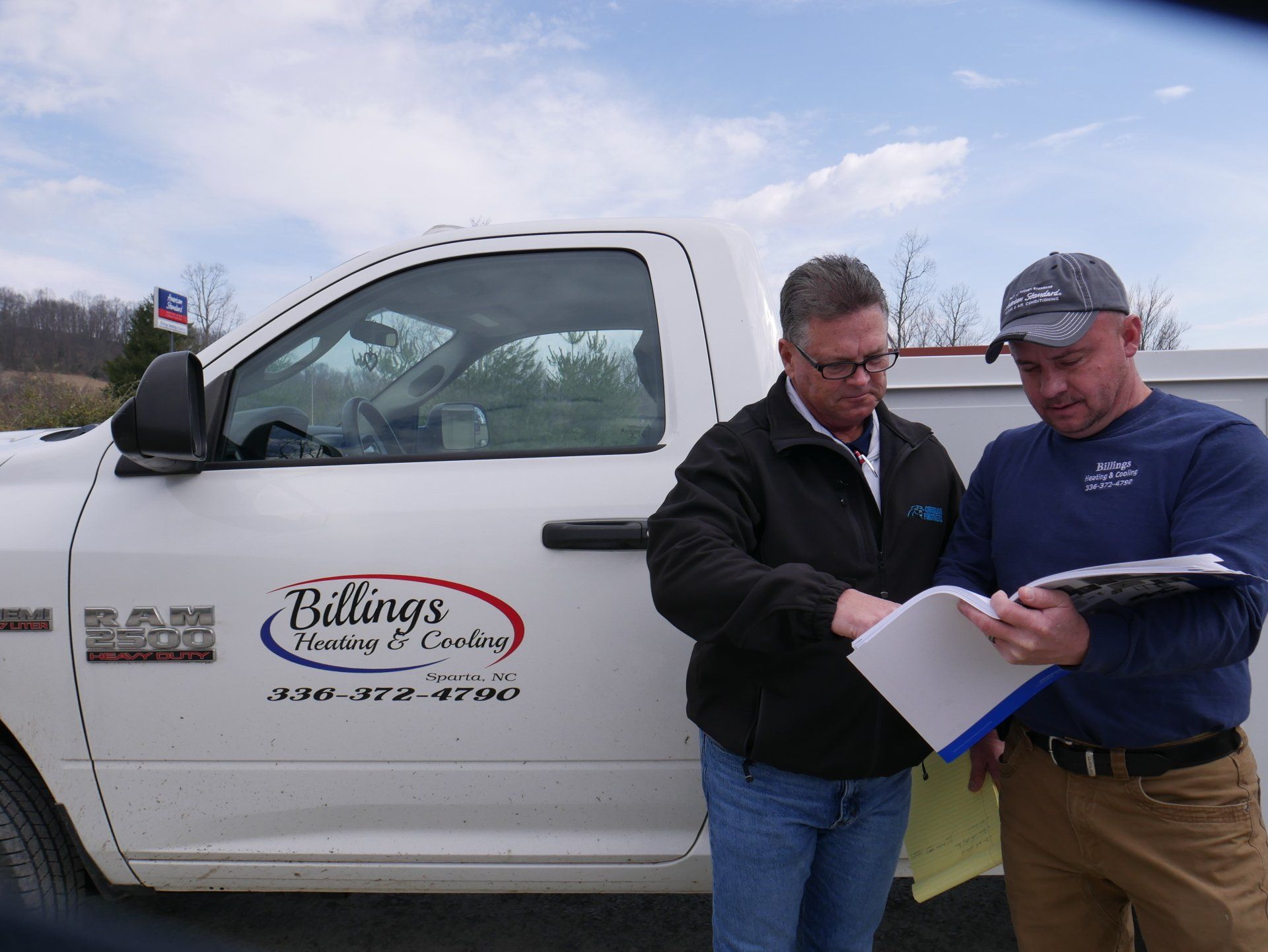
As winter fades and spring settles into the Blue Ridge Mountains, most homeowners start thinking about warmer days, open windows, and fresh air. But here in Sparta, NC, spring also brings something less welcome— pollen, allergens, and fluctuating humidity levels . At Billings Heating & Cooling, we often see homeowners focus on cooling their homes this time of year—but improving your indoor air quality (IAQ) is just as important, especially before allergy season hits its peak. Spring Air in Sparta Isn’t Always as “Fresh” as It Feels While it’s tempting to throw open the windows on a nice day, spring air can carry: Tree and grass pollen Dust and outdoor pollutants Mold spores from damp conditions These particles can easily make their way into your home and circulate through your HVAC system. Once inside, they can impact your comfort, health, and even your system’s performance. Signs Your Indoor Air Quality Needs Attention Not sure if your home’s air needs a boost? Here are a few common signs: Increased allergy symptoms indoors Dust buildup around vents and surfaces Musty or stale odors Uneven airflow or stuffy rooms If you’re noticing any of these, your HVAC system may be circulating more than just cool air. Simple Ways to Improve Indoor Air Quality This Spring The good news? There are several easy steps you can take right now to breathe easier at home. 1. Upgrade Your Air Filter A basic filter may not be enough during peak pollen season. Consider a higher-efficiency filter designed to capture smaller particles. Replacing your filter regularly is one of the simplest ways to improve both air quality and system efficiency. 2. Clean Around Vents and Registers Dust and debris can build up over time, especially after a long winter. Make sure vents are clean and not blocked by furniture to keep air flowing properly. 3. Check Your Ductwork Leaks or buildup in your duct system can spread allergens throughout your home. A quick inspection can go a long way in keeping your air clean and your system running efficiently. 4. Consider a Whole-Home Air Quality Solution If allergies are a concern, it may be worth looking into options like: Whole-home air purifiers Humidity control systems UV air cleaners These systems work alongside your HVAC unit to actively clean and balance the air throughout your home. Don’t Forget: Your HVAC System Plays a Big Role Your heating and cooling system doesn’t just control temperature—it also circulates the air you breathe every day. When it’s not properly maintained, it can spread dust, allergens, and contaminants throughout your home. That’s why spring is the ideal time to take a closer look at how your system is performing—before summer heat puts it into overdrive. Experts recommend seasonal maintenance to improve efficiency, reduce breakdowns, and keep indoor air cleaner. Breathe Easier This Spring with Billings Heating & Cooling Spring in Sparta is beautiful—but your home should be a place where you can enjoy it without worrying about what’s in the air. At Billings Heating & Cooling, we help homeowners throughout Alleghany County improve comfort, efficiency, and air quality with expert service and honest recommendations. If you’re ready to take control of your indoor air this season, give us a call . We’re here to help you stay comfortable—and breathe a little easier—no matter what spring brings. Check out our maintenance service page to learn more!
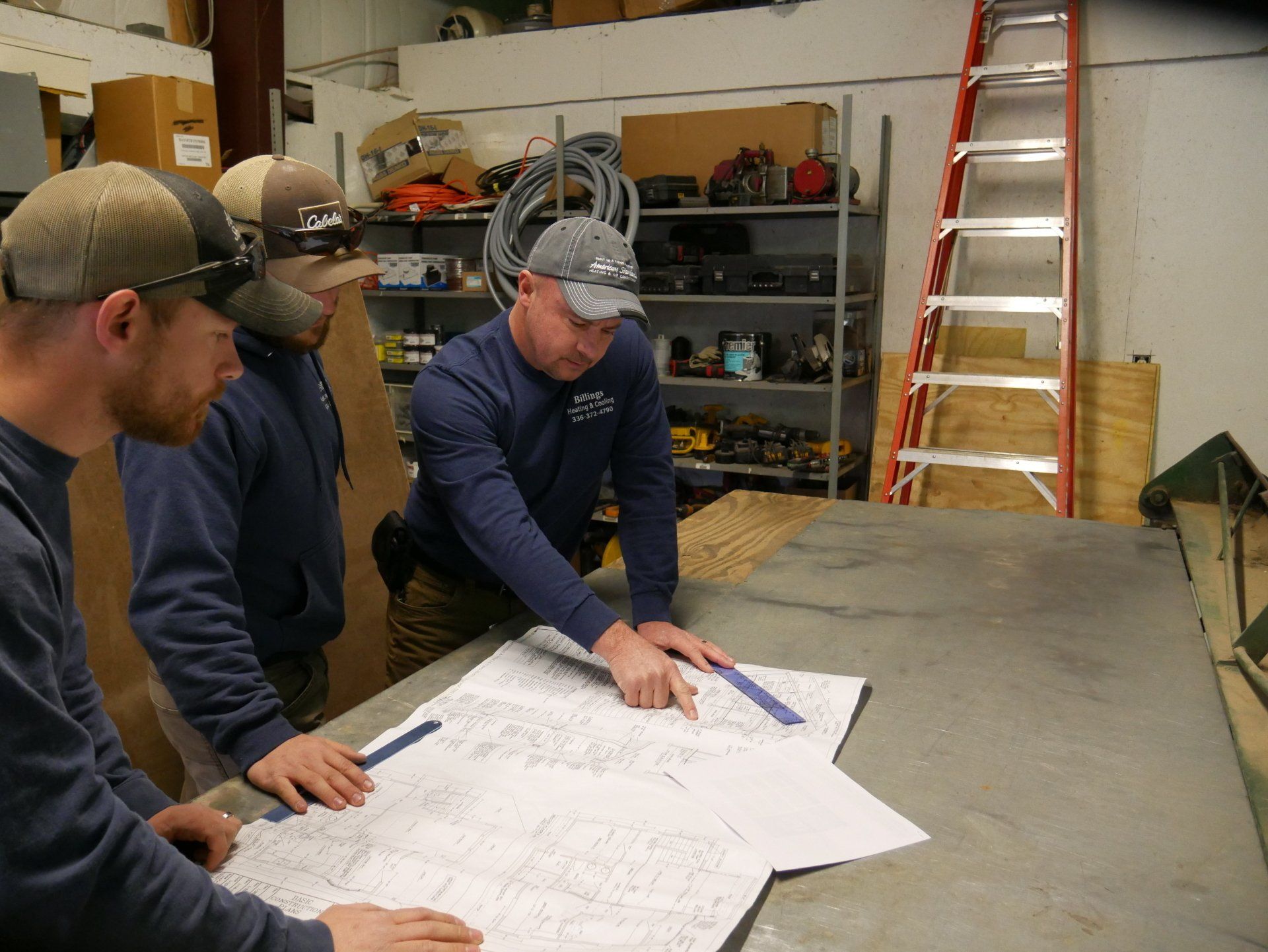
If you’ve lived in Sparta for long, you know February and March can feel like all four seasons in one week. One day we’re running the heat nonstop, and the next we’re opening windows to enjoy a sunny 65-degree afternoon. These temperature swings can put extra stress on your HVAC system — especially if it hasn’t been serviced since fall. At Billings Heating & Cooling, late winter is one of our favorite times to help homeowners get ahead of problems before the busy spring and summer seasons arrive. Here’s how you can make sure your system is ready for whatever North Carolina weather brings next. Your System Has Worked Hard All Winter After months of keeping your home warm through chilly mountain mornings and freezing nights, your heating system deserves a little attention. Even high-performing heat pumps and furnaces can develop small issues after running constantly all winter. Common late-winter problems we see in the Sparta area include: Dirty filters restricting airflow Systems running longer than normal Uneven heating throughout the home Higher-than-expected energy bills Strange noises or frequent cycling Catching these issues now can prevent a mid-season breakdown — and help your system transition smoothly into cooling mode when warmer weather arrives. Why Late Winter Is the Perfect Time for HVAC Maintenance Most homeowners wait until the first hot day of the year to think about air conditioning. Unfortunately, that’s also when HVAC companies are busiest and appointment availability becomes limited. Scheduling maintenance in late winter offers several benefits: Beat the spring rush: Easier scheduling and faster service Improve efficiency: A clean, tuned system uses less energy Extend equipment life: Prevent wear and tear from seasonal changeovers Avoid surprise repairs: Small issues can be fixed before they grow Better indoor air quality: Especially important as allergy season approaches A professional tune-up now ensures your system can switch between heating and cooling without unnecessary strain. Get Ready for Spring Allergy Season Spring in Alleghany County brings beautiful blooms — and plenty of pollen. Your HVAC system plays a major role in your home’s indoor air quality, especially during allergy season. To keep your indoor air cleaner this spring: Replace or upgrade your air filter Consider high-efficiency or allergy-rated filters Ask about whole-home air purifiers Make sure ductwork is clean and sealed Schedule a system cleaning and inspection Cleaner air doesn’t just help with allergies — it also helps your system run more efficiently and keeps your home more comfortable. Watch for Signs Your System Needs Attention As temperatures start to fluctuate, your HVAC system may switch between heating and cooling more frequently. Keep an eye out for these signs that it’s time for service: System struggles to keep a consistent temperature Airflow feels weak in certain rooms You hear rattling, buzzing, or grinding Your thermostat doesn’t seem accurate Energy bills suddenly increase Addressing these early can prevent larger, more expensive repairs later. Stay Comfortable Through Every Season in Sparta Western North Carolina weather can be unpredictable, but your home comfort shouldn’t be. A little preventative care now can make a big difference in how your system performs through spring and into summer. If it’s been a while since your last HVAC tune-up, late winter is the ideal time to schedule service. The team at Billings Heating & Cooling is proud to help Sparta homeowners stay comfortable, save on energy costs, and keep their systems running reliably all year long. Ready to get your system spring-ready? Contact Billings Heating & Cooling today to schedule your seasonal HVAC maintenance and head into warmer weather with confidence.
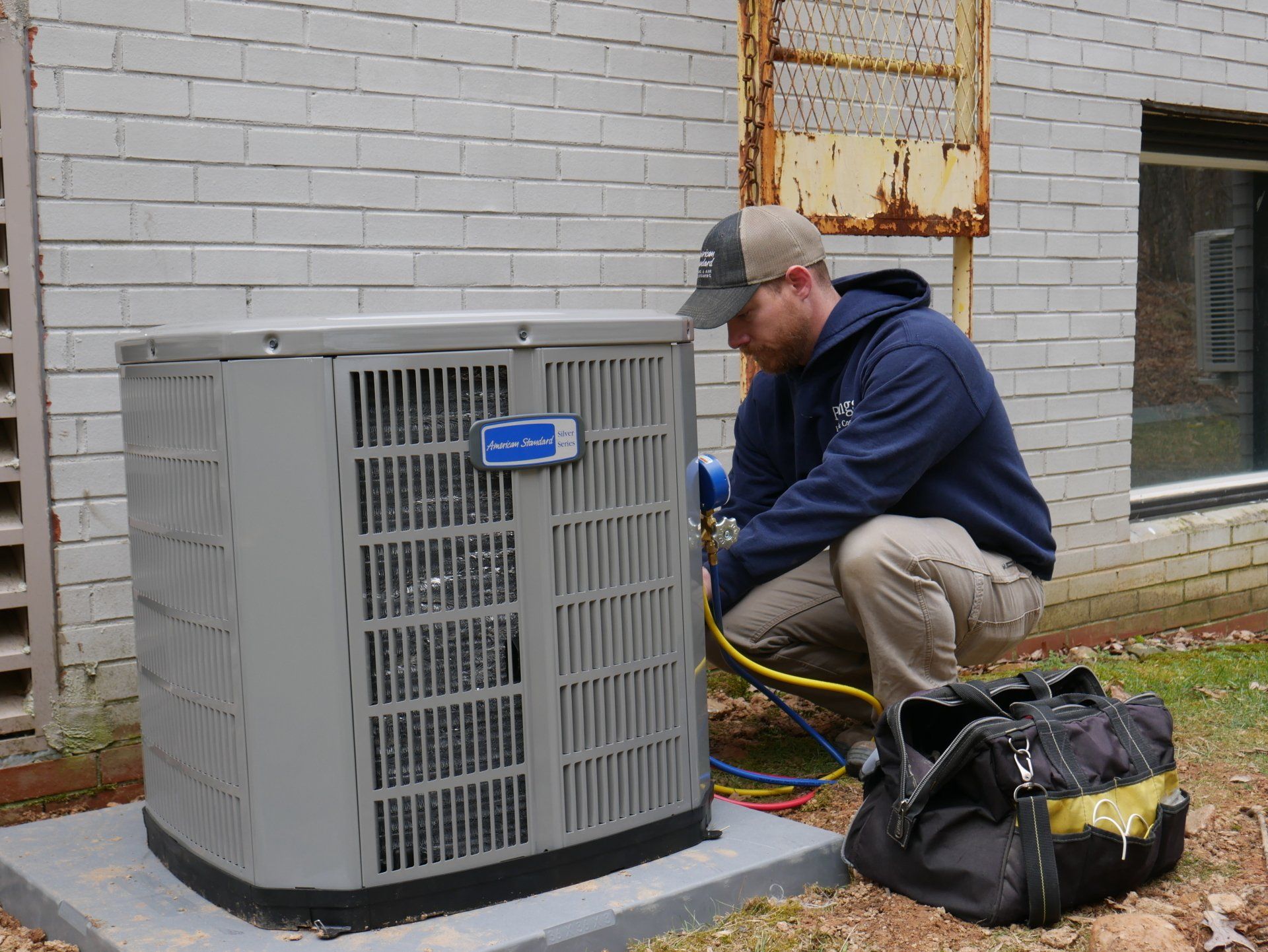
Winter in Sparta, NC is a different experience than much of the Carolinas. With higher elevations, colder temperatures, and occasional snow or ice, local homeowners rely heavily on their heating systems to stay safe and comfortable. Add in sudden temperature swings and winter storms, and your HVAC system can face extra stress this time of year. Here’s how Sparta homeowners can keep their heating systems running efficiently and reliably through the heart of winter. 1. Prepare for Extended Cold Snaps Unlike lower elevations, Sparta often experiences prolonged periods of cold weather. When your heating system runs constantly, even small issues can turn into major problems quickly. Early-season checks and routine maintenance help ensure your system is ready to keep up with demand. Helpful tips: Turn your heat on before the coldest weather arrives to ensure it’s working properly. Listen for unusual noises or airflow changes — these can be early warning signs of trouble. Avoid frequently adjusting the thermostat, which can overwork the system. 2. Change Air Filters More Often in Winter During cold months, heating systems run longer and more frequently, which means filters collect dust and debris faster. A clogged filter restricts airflow, reduces efficiency, and increases wear on your equipment. Best practice: Check your air filter every month during winter. Replace it at least every 30 days, or sooner if you have pets or allergies. Clean airflow helps your system heat your home evenly and efficiently. 3. Seal Out Mountain Drafts Older homes and mountain cabins around Sparta are especially prone to drafts. Cold air sneaking in through doors, windows, or crawl spaces forces your heating system to work overtime. Simple ways to reduce heat loss: Add weather-stripping around doors and windows. Seal visible gaps with caulk or foam. Use heavy curtains or thermal blinds to insulate windows during cold nights. 4. Use Your Thermostat Wisely Keeping your home at a steady, comfortable temperature reduces strain on your heating system and helps control energy costs. Programmable or smart thermostats make it easier to manage heat without sacrificing comfort. Suggested winter settings: Around 68°F while you’re home and awake. Lower temperatures while sleeping or away from home. Consistent settings are especially important during freezing nights common in the Sparta area. 5. Don’t Ignore the Outdoor Unit If your home uses a heat pump, the outdoor unit plays a critical role even in winter. Snow, ice, and leaves can restrict airflow and reduce efficiency. Winter care tips: Keep the area around the unit clear of snow and debris. Avoid covering the unit completely, which can trap moisture and lead to corrosion. Make sure meltwater can drain properly to prevent ice buildup. 6. Schedule Professional Winter Maintenance Professional maintenance is one of the best ways to prevent mid-winter breakdowns — especially during Sparta’s coldest months. A trained technician can inspect components, test safety controls, and make adjustments that improve efficiency and reliability. Preventative maintenance helps: Reduce the risk of emergency repairs Extend the life of your system Improve comfort during extreme cold Stay Warm and Prepared All Winter Long Sparta winters can be beautiful — but they’re also demanding on your HVAC system. With colder temperatures, elevation-related challenges, and unpredictable weather, a little preparation goes a long way. Regular filter changes, draft sealing, smart thermostat use, and professional maintenance all help keep your home warm and your heating system dependable. If you need winter maintenance, repairs, or expert advice, Billings Heating & Cooling is here to help keep your Sparta home comfortable all season long. Contact us today to schedule service and stay ahead of winter weather. Check out our heating service page to learn more about how we can keep you warm and comfortable all winter long.
As winter settles into Sparta, NC, temperatures dip low, snow becomes a possibility, and heating systems work harder than ever to keep homes warm. While the season brings cozy nights and beautiful mountain scenery, it also means your HVAC system needs to be prepared for the increased workload. At Billings Heating & Cooling, we’re committed to helping local homeowners stay comfortable and protected from the cold all season long. Winter Weather Challenges in the High Country Sparta winters can bring brisk days, freezing nights, and periods of icy precipitation. These conditions demand a heating system that’s reliable and efficient. When temperatures drop quickly, an older or poorly maintained system can struggle to keep up — or even fail unexpectedly. That’s why winter HVAC readiness isn’t just about comfort — it’s about safety and peace of mind. Why Winter HVAC Maintenance Matters A simple tune-up can make a major difference in how well your heating system performs this season: Prevent Breakdowns: The colder it gets, the harder your furnace or heat pump has to run. A proactive check helps ensure you’re not left without heat during a cold snap. Better Energy Efficiency: A well-tuned system doesn’t have to work as hard, which can help lower your winter utility bills. Consistent Home Comfort: Proper airflow, thermostat calibration, and system adjustments help avoid cold spots throughout your home. Longer Equipment Life: Fixing small issues early keeps your system running stronger, longer — protecting your investment. Billings Heating & Cooling’s Winter Checklist Here’s what we recommend every Sparta homeowner do before harsh weather hits: Schedule a Winter Tune-Up Our technicians clean, inspect, and optimize your heating system for maximum performance and safety. Replace Air Filters Regularly Clean filters improve airflow and indoor air quality while reducing strain on your system. Check Ductwork & Vents Any blockages or leaks can cause heat loss and uneven temperatures — a quick inspection can catch issues early. Review Thermostat Settings Smart and programmable thermostats can help reduce energy waste and keep your home comfortable on a set schedule. Consider System Upgrades When Needed If your furnace or heat pump is aging or frequently repaired, upgrading can significantly improve comfort and efficiency. Why Homeowners Trust Billings Heating & Cooling With decades of experience serving Sparta and surrounding areas, the Billings Heating & Cooling team understands the unique demands of High Country winters. We provide: Skilled maintenance, repairs, and installations Local expertise and customer-first service 24/7 emergency support — because heating issues can’t wait We treat every home like our own, ensuring families stay warm all winter long. Stay Ahead of Winter — We’re Here to Help Winter is just getting started — so it’s the perfect time to make sure your heating system is ready. A quick call today can help prevent a stressful breakdown later. Contact Billings Heating & Cooling at 336-372-4790 to schedule your winter maintenance or discuss system upgrades. Stay warm, stay safe, and enjoy the season — we’ve got your comfort covered! Check out our maintenance service page to learn more.